
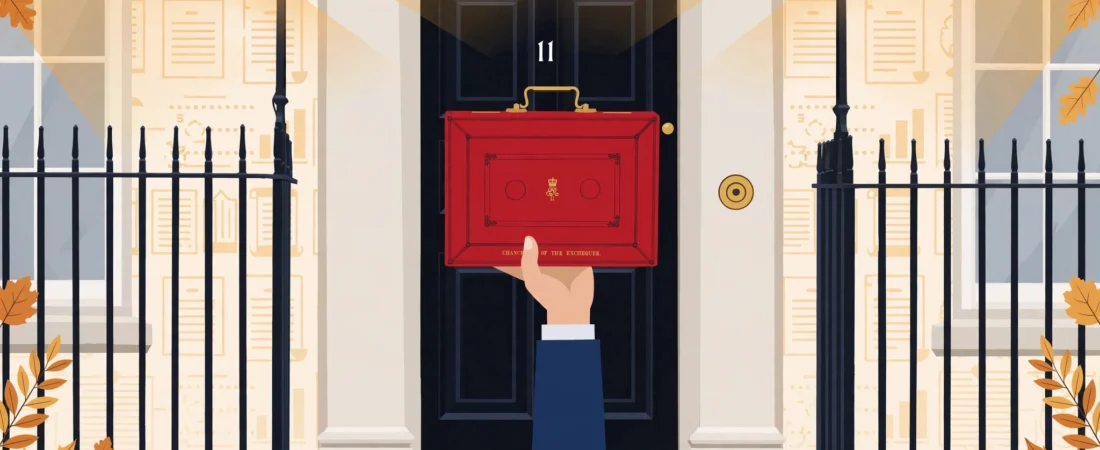
The Autumn Budget lands on Wednesday 28 October 2026. Chancellor John Healey will stand up at around 12:30pm, straight after Prime Minister’s Questions. It is his first Budget, and the first under Prime Minister Andy Burnham.
The Chancellor confirms nothing until the speech. But we already know a lot, and some changes traditionally take effect from midnight on Budget day itself. Here is what the government has confirmed, what it has ruled out, what the rumours say, and what to do before 12:30pm on the 28th.
What Is Already Confirmed for April 2027
The government has already locked in several measures, regardless of what the Chancellor announces. From April 2027:
- The Cash ISA subscription limit falls to £12,000 for under-65s, down from £20,000.
- A 22% charge applies to interest on uninvested cash held in Stocks and Shares ISAs.
- Most unused pension funds come within the scope of inheritance tax from 6 April 2027.
- The £30,000 Making Tax Digital income threshold takes effect, bringing a new wave of self-employed people and landlords into quarterly reporting.
If any of these touch you, plan around them now. You do not need a Budget-day surprise.
What Is Ruled Out
The government has kept its manifesto pledge: no rises in the headline rates of income tax, National Insurance, or VAT for working people. The Chancellor is expected to repeat that commitment on 28 October.
That leaves the extra revenue to come from elsewhere, which is why capital gains tax, inheritance tax, pension tax relief, and social care funding dominate the speculation.
What Is Rumoured
Treat all of this as speculation, not fact:
- Capital gains tax. The most talked-about target: either a lower annual allowance or higher headline rates.
- Inheritance tax. Possible changes to reliefs and scope, on top of the confirmed pension-funds measure.
- Pension tax relief. People have floated reforms to tax relief for years; the idea is back on the table.
- Fuel duty. The government has locked it at 52.95p a litre through 2026. Parliament has legislated a rise for January 2027, but rumour says the Chancellor will freeze it again.
- The state pension triple lock. Unchanged until the next election, then changing from April 2030.
- The personal allowance. The government has frozen it at £12,570 until 2031, which drags more people into higher tax bands as wages rise.
Why Timing Matters
Some Budget changes (historically capital gains tax and stamp duty) take effect from midnight on Budget day to stop people timing transactions to avoid them.
That means if a rumoured change would affect a decision you are already considering (selling an asset, for example), the window to act may close at 12:30pm on 28 October. Do not gamble on rumours, but do not sleepwalk past the date either.
What MTD Users Should Watch
Most commentators expect a tech-led HMRC package, with more investment in digital compliance rather than any pause to Making Tax Digital.
What to Do Before Budget Day
- Review the confirmed April 2027 measures above and check which ones affect you.
- Do not make irreversible decisions on rumours alone. A speculation-driven asset sale can cost more than the tax it was meant to avoid.
- If a CGT or IHT change would genuinely alter your plans, talk to an adviser before 28 October: midnight changes reward the prepared.
- Keep your records clean. Whatever the Budget brings, tidy digital records make every filing season easier.
We will update this guide once the government publishes the Budget documents on 28 October.
Frequently Asked Questions
Wednesday 28 October 2026. The Chancellor usually starts speaking at around 12:30pm, straight after Prime Minister’s Questions, and the speech normally lasts about an hour.
Chancellor John Healey. It is his first Budget, and the first under Prime Minister Andy Burnham.
The Cash ISA limit falling to £12,000 for under-65s, a 22% charge on uninvested cash in Stocks and Shares ISAs, unused pension funds coming into inheritance tax scope, and the £30,000 MTD threshold.
The government has pledged not to raise the headline rates of income tax, National Insurance or VAT for working people. That pledge is expected to hold.
Yes. Changes to taxes like capital gains tax and stamp duty often take effect from midnight on Budget day, to stop people timing transactions to avoid increases.
Disclaimer:
This guide provides general information about the UK Autumn Budget as of October 2026. Tax rules and government announcements can change. Nothing in this article is a prediction of what the Chancellor will announce. Always consult with a qualified tax professional about your specific circumstances. That’s what we’re here for. In accordance with our normal practice we give this reference in good faith and in confidence, without legal liability on the part of the author or the company. The author assumes no responsibility or liability for any errors or omissions in the content of this site
The information provided in this blog is for general guidance and educational purposes only and does not constitute financial, tax, accounting or legal advice. iFiler, registered in England under Company Registration Number 15996173, has prepared this content to offer general insights into financial and taxation matters. Although we make every effort to ensure the accuracy and relevance of the information at the time of publication, we give no guarantee regarding completeness, accuracy or suitability for your specific circumstances.
Readers should not act, or refrain from acting, based solely on the information contained in this content. Always get professional advice tailored to your personal or business situation before making any financial or tax-related decision. iFiler accepts no liability for any loss or damage arising from reliance on the information in this blog.